
Every year, International Women’s Day gives us a moment to reflect on the women who shape our communities, industries, and everyday lives. For us, the day carries even more meaning because many of the traditions and natural products we work with, particularly Shea Butter and African Black Soap from Ghana, are deeply connected to the work and skill of women.
Across the world, women continue to lead change in business, family life, education, and community development. But in Ghana, women have long been at the heart of the natural skincare traditions that inspire much of what we do today.
From the harvesting of shea nuts to the careful preparation of Shea Butter and traditional African Black Soap, women’s knowledge and craftsmanship have been passed down through generations.
If you’d like to learn more about the work we’re doing and the relationships we’re building in Ghana, you can always get in touch with us here.
The Women Behind Shea Butter in Ghana
One of the most remarkable things about Shea Butter production in Ghana is that it has historically been led almost entirely by women.
The process itself is labour-intensive and requires skill:
-
Harvesting the shea nuts
-
Drying and roasting them
-
Grinding them into paste
-
Slowly churning and refining the butter
What results is the rich, nourishing Shea Butter that has become a staple ingredient in skincare products across the world.
But beyond the product itself, this work provides economic independence and stability for many women in northern Ghana, supporting families and entire communities.
Organizations such as the United Nations Women frequently highlight how supporting women-led industries strengthens local economies and promotes sustainable development globally.
African Black Soap: A Tradition Passed Down Through Women
Much like Shea Butter, traditional African Black Soap from Ghana is deeply connected to generational knowledge.
Women have historically been the keepers of this craft, blending ingredients such as:
-
Plantain skins
-
Cocoa pod ash
-
Natural oils
-
Shea Butter
The result is the natural African Black Soap that has become globally recognised for its cleansing and skin-balancing qualities.
As interest in natural skincare continues to grow, many consumers are rediscovering the value of traditional ingredients that communities in Ghana have used for centuries.
Research into traditional skincare ingredients, including Shea Butter, has even been explored by organisations such as the World Health Organization when discussing the importance of traditional knowledge and natural resources in global health and wellbeing.
Why International Women’s Day Matters to Us
For us, International Women’s Day isn’t about grand statements, it’s about recognising the real people behind the products and traditions we work with.
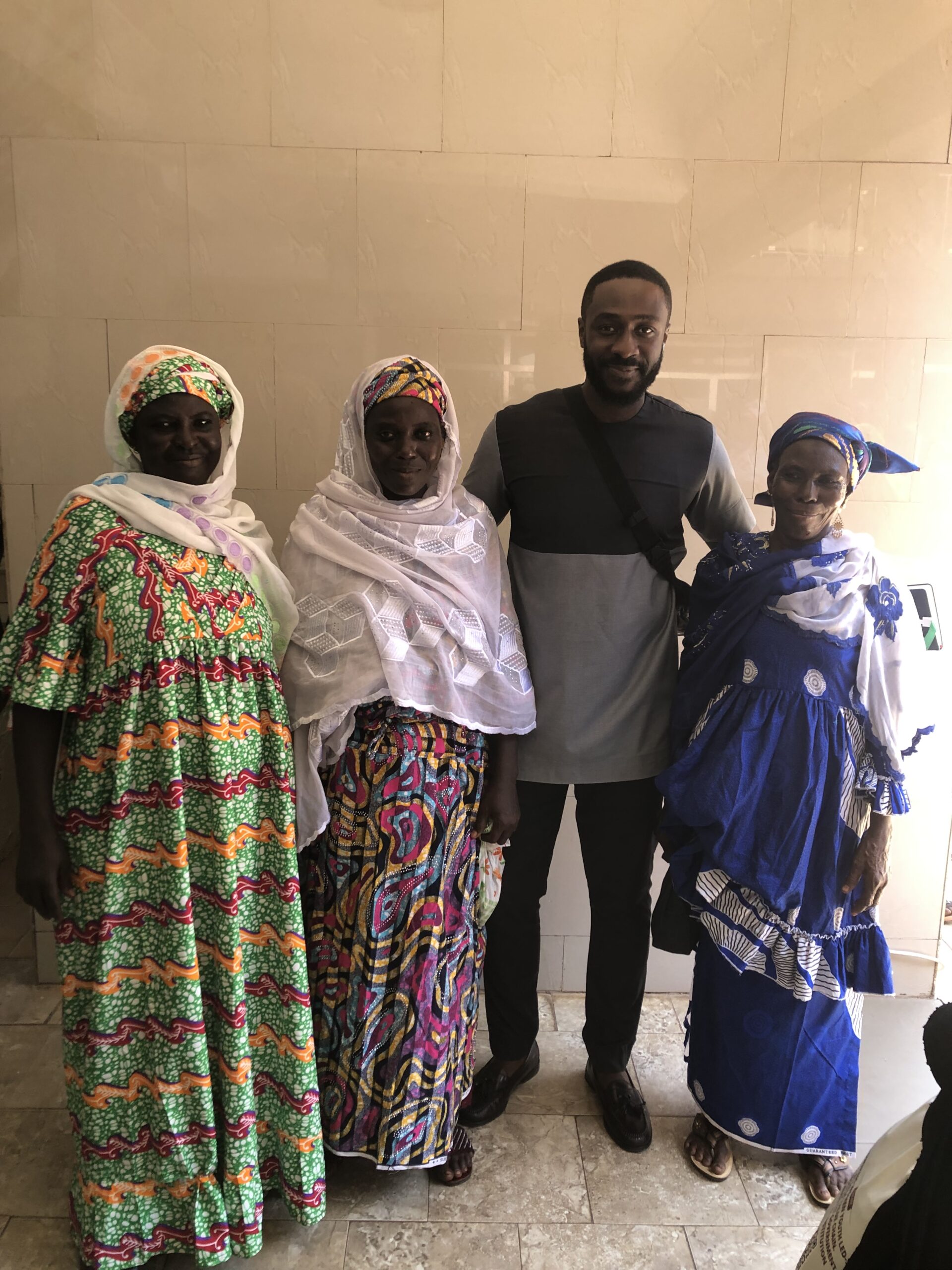
The women involved in producing Shea Butter and African Black Soap are entrepreneurs, artisans, and community leaders in their own right.
Their work reminds us that natural skincare isn’t just about ingredients, it’s about heritage, knowledge, and livelihoods.
Looking Forward
The global conversation around ethical sourcing, sustainability, and natural skincare continues to grow.
As it does, we believe it’s important to keep recognising the people who have quietly carried these traditions forward for generations — particularly the women of Ghana who continue to produce Shea Butter and African Black Soap using knowledge that predates the modern beauty industry by centuries.
International Women’s Day simply gives us the perfect moment to say: we see the work, and it matters.